
What Babies Can't Wait offers
- A free evaluation of your child's development
- An Individualized Family Service Plan (IFSP) if your child is eligible
- Services such as speech, occupational or developmental therapy, often at home
- Help planning the move to school services at age 3
Anyone can refer a child, including parents. You don't need a doctor's referral.
Babies Can't Wait or ABA?
| Babies Can't Wait | ABA therapy | |
|---|---|---|
| Age | Birth to 3 | Any age with a diagnosis (insurance limits vary) |
| Diagnosis needed | No | Yes, usually autism spectrum disorder |
| Paid by | State program | Insurance, including Georgia Medicaid |
| Focus | Overall development and family support | Specific skills and behaviors, measured closely |
They aren't a choice between one or the other. Many toddlers receive both.
Turning 3
At age 3, early intervention ends and school district services begin if your child is eligible. Babies Can't Wait helps plan this. ABA can continue through insurance.
The 45-day timeline
Under federal early intervention rules, Babies Can't Wait has 45 days from the day it receives a referral to complete the evaluation, assessment and first meeting to write your child's Individualized Family Service Plan (IFSP). A service coordinator is assigned to help your family through these steps. If the timeline is slipping, ask your service coordinator why.
Who can make a referral
Anyone can refer a child to Babies Can't Wait: parents, doctors, child care providers, teachers or other caregivers. Referrals can be made by phone, email, fax, letter or in person. You don't need a doctor's order. Find your local program with the Georgia Department of Public Health's Early Intervention Coordinator Locator.
What an IFSP includes
- Your child's current development and strengths
- Your family's concerns, priorities and resources
- The outcomes you want to see
- The services your child will receive, how often and where
- A plan for the move out of early intervention at age 3
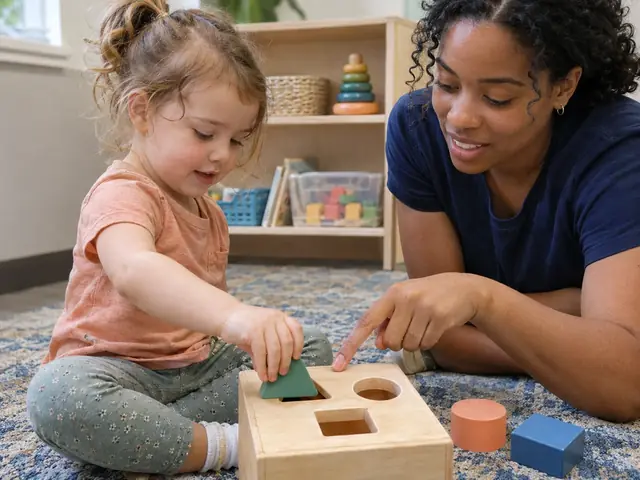
Early intervention services are usually delivered in everyday settings, such as your home or child care.
Planning for age 3
Babies Can't Wait ends at your child's third birthday. Before then, your service coordinator helps plan the transition. With your consent, information can be shared with your school district, which completes its own evaluation to decide whether your child is eligible for preschool special education. Babies Can't Wait doesn't decide school eligibility.
If your child also has an autism diagnosis and insurance that covers ABA, ABA can continue through and after this transition. Your BCBA can help keep goals consistent between ABA, preschool and home.
Questions to ask at your first Babies Can't Wait meeting
- What evaluations will my child have, and when?
- Who is my service coordinator, and how do I reach them?
- What services might my child receive, and how often?
- Where will services happen: at home, at child care, or somewhere else?
- How do Babies Can't Wait and ABA work together if my child gets both?
- When will we start planning for the move at age 3?
Making both services work together
If your toddler has early intervention services and ABA, ask both teams to share goals with your consent. For example, if a speech therapist is working on requesting with signs or pictures, ABA can practice the same signs or pictures. Consistency helps young children learn faster.
If you're worried but your child isn't eligible
If Babies Can't Wait finds your child isn't eligible, ask about rescreening later and keep raising concerns with your pediatrician. Development changes quickly in young children, and an autism evaluation is a separate process you can pursue at any time.
Signs worth mentioning to your pediatrician
You know your child best. If you notice things like not responding to their name, few gestures such as pointing or waving, limited babbling or words for their age, little interest in shared play, or losing words or skills they used to have, mention them to your pediatrician and consider a Babies Can't Wait referral. You don't have to be sure something is wrong to ask.
Related guides
Sources
- Georgia Department of Public Health: Babies Can't Wait
- Georgia Department of Public Health: Babies Can't Wait
- Georgia Department of Public Health: Babies Can't Wait FAQs
Next step
Talk with our intake team
Tell us your child's age, your ZIP code and your insurance. We'll check your benefits, confirm availability for your address and explain next steps, with no obligation.
Common questions
Does my toddler need an autism diagnosis for Babies Can't Wait?
No. Babies Can't Wait serves children with developmental delays and certain conditions, and its evaluation doesn't require an autism diagnosis.
Can my child get ABA and Babies Can't Wait at the same time?
Yes. Many families use both.
Does Babies Can't Wait cost money?
Babies Can't Wait serves eligible Georgia children from birth to their third birthday regardless of income. Ask your service coordinator how any costs or insurance billing work for your family.
How long does Babies Can't Wait take to start?
The evaluation, assessment and first IFSP meeting should happen within 45 days of the referral.
Do I need a doctor's referral for Babies Can't Wait?
No. Parents, doctors, child care providers and others can all refer a child directly.