Keep a daily shape
- A visual schedule with the main parts of the day
- Steady wake, meal and bedtime
- One planned activity a day, plus downtime
Use the time well
- Ask your BCBA about adding hours or adjusting session times while school is out.
- Work on community skills: library trips, grocery shopping, swimming.
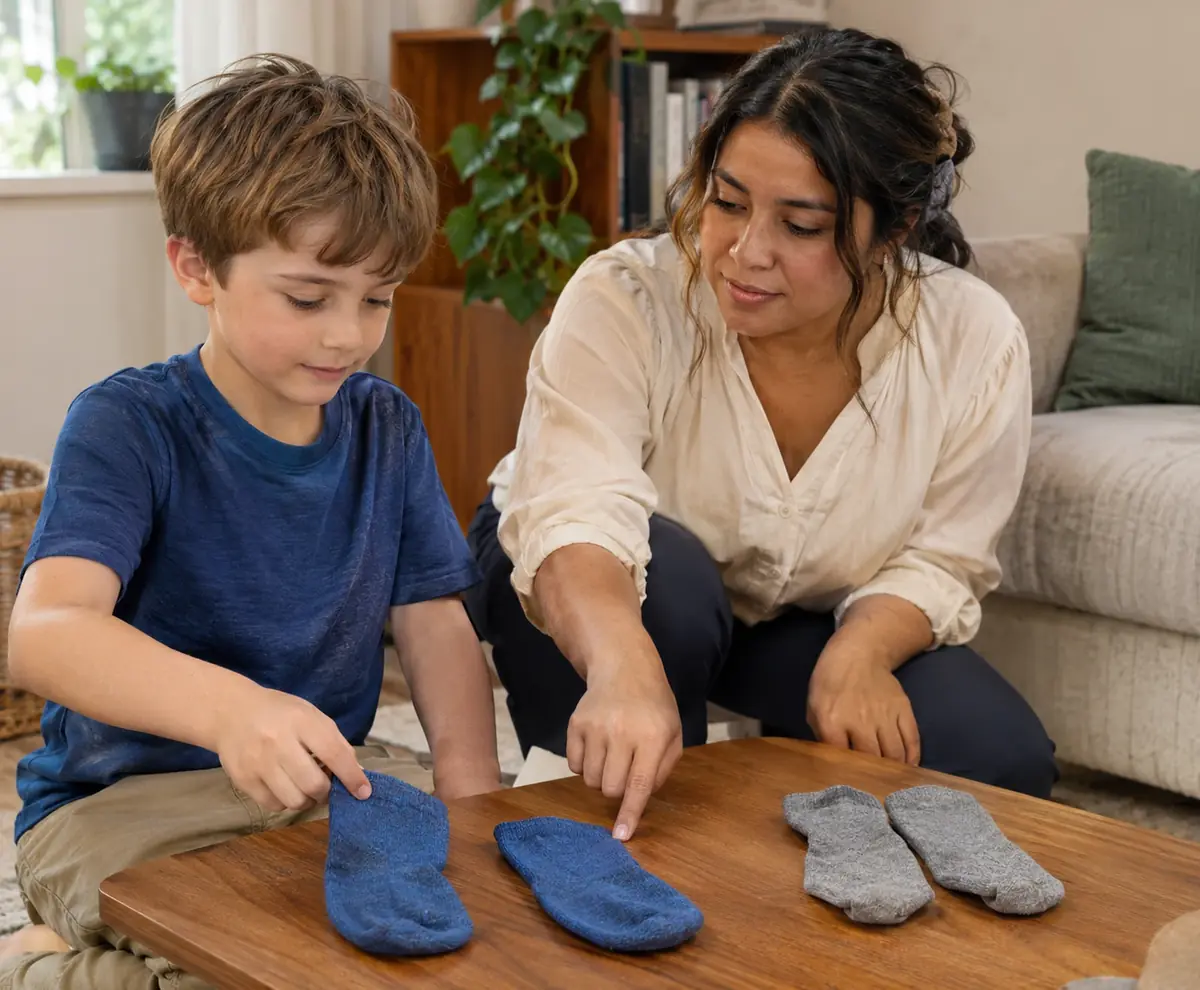
- Practice self-care skills that are hard to fit in on school mornings.
Plan the return
About two weeks before school restarts, move back to the school schedule and preview the return with pictures and talk about what's coming.
A sample summer day
Children often do better when a break still has a predictable shape. A sample day might look like this, using pictures for children who read better from images:
| Time | Activity |
|---|---|
| Morning | Wake up, breakfast, get dressed at the usual time |
| Mid-morning | ABA session, camp or an outing |
| Midday | Lunch and quiet time |
| Afternoon | Free play, outdoor time or a chore |
| Evening | Dinner, bath and the regular bedtime routine |
Keep wake-up and bedtime close to the school-year times. It makes the return to school much easier.
Skills that fit summer well
- Community outings: the library, grocery store, a park
- Swimming safety and following rules at a pool
- Helping with simple chores and meal preparation
- Waiting, turn-taking and playing with siblings or cousins
- Trying new foods or new activities in small steps
ESY and summer hours
If your child has an IEP, ask whether they qualify for extended school year (ESY) services, which the IEP team decides. Summer can also be a time to add ABA hours if your insurance approves them and staff are available. Ask your provider in the spring, because summer schedules fill early.
Getting ready for the return to school
About two weeks before school starts, move back to school-day wake-up and bedtime. Use a calendar to count down the days, and see our new school year guide.
Planning for camps and new activities
- Visit the camp or activity beforehand if you can, and take photos for a picture story.
- Tell staff what helps your child and what may upset them. A one-page summary helps.
- Start with a shorter day or fewer days, then build up.
- Ask your BCBA to practice skills the camp will need, such as following group directions or waiting.
Keeping skills from slipping
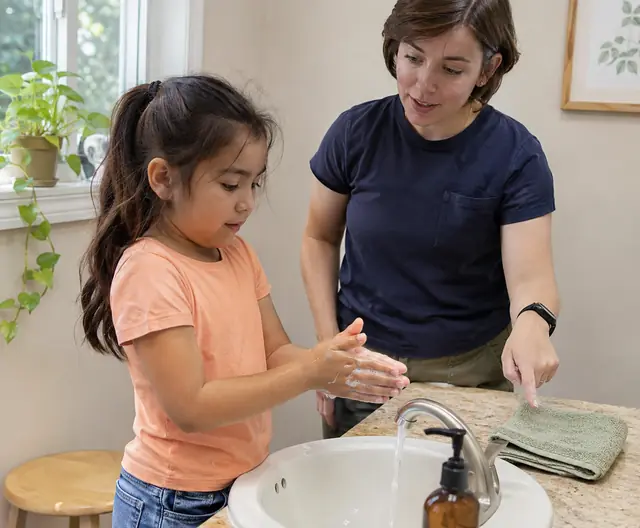
Some children lose skills during long breaks. Short, regular practice of key routines, like dressing, handwashing and communication, helps keep them.
Water and wandering safety
Summer brings more time near pools, lakes and open doors. Some autistic children wander, and water can draw them in. Practical steps families use:
- Swim lessons suited to your child, with an instructor who understands their needs
- Door alarms or locks out of reach, especially at a rental or relative's house
- A clear adult "water watcher" whenever children are near water
- An ID bracelet, tag or card with your phone number
- Telling neighbors or hosts that your child may wander
Your BCBA can also teach safety skills, such as stopping when called and staying with an adult.
A sample summer week
| Day | Plan |
|---|---|
| Monday | ABA session, library visit |
| Tuesday | Camp half day, quiet afternoon |
| Wednesday | ABA session, swim lesson |
| Thursday | Camp half day, park |
| Friday | ABA session, grocery trip practice |
| Weekend | Family time, same wake and bedtimes |
Related guides
Sources
Next step
Talk with our intake team
Tell us your child's age, your ZIP code and your insurance. We'll check your benefits, confirm availability for your address and explain next steps, with no obligation.
Common questions
Can ABA hours increase during the summer?
Sometimes. Talk to your BCBA; any change in hours may need insurance approval.
What is ESY in an IEP?
Extended school year services are special education services provided beyond the regular school year, often in summer. The IEP team decides whether a child needs them.
How do I keep my autistic child safe around water in summer?
Use swim lessons suited to your child, door alarms, a dedicated adult watching any time children are near water, and ID with your phone number. A BCBA can also teach safety skills like stopping when called.