Signs of readiness
- Staying dry for longer stretches
- Showing awareness of being wet or soiled
- Being able to sit for a short time
- Following simple one-step directions
Your child doesn't need all of these. Your BCBA will look at where your child is and plan from there. Check with your pediatrician first if you have any medical concerns, such as constipation.
What an ABA toilet training plan includes
- A schedule: regular, timed trips to the bathroom
- Small steps: walking to the bathroom, pulling down pants, sitting, washing hands
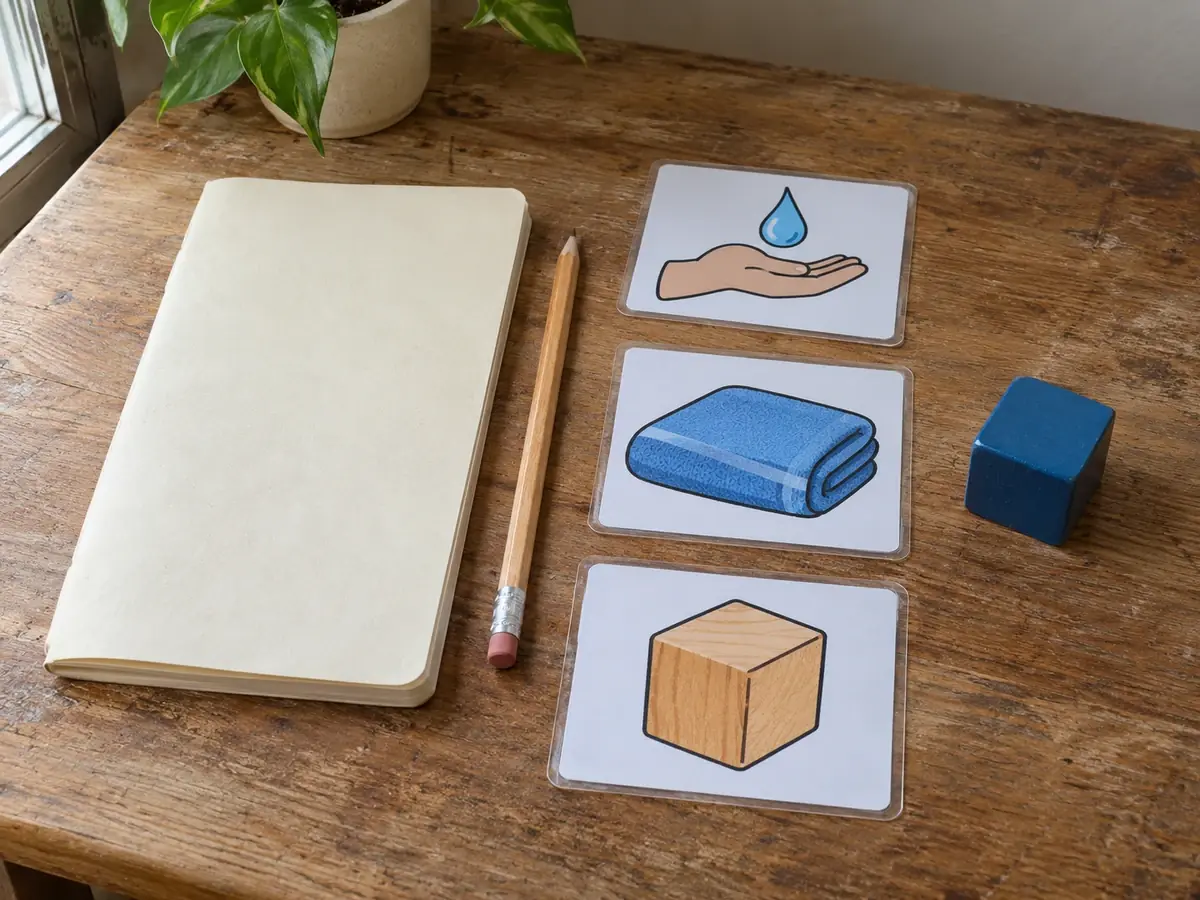
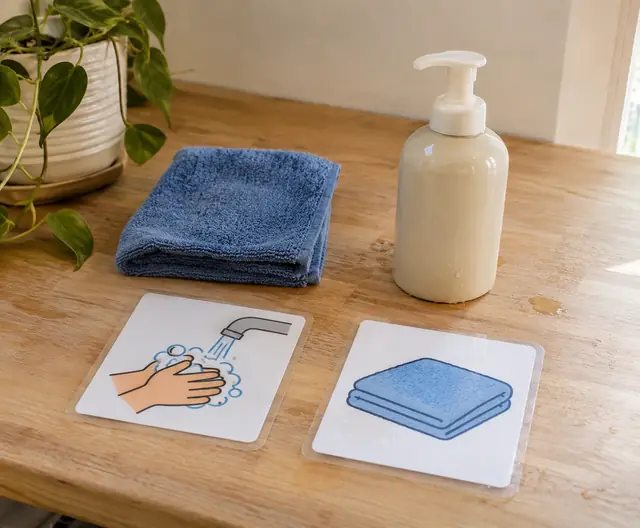
- Visual supports: a picture sequence of the steps
- Rewards: something your child really likes, given right after success
- Data: recording dry times and successes to see patterns
Consistency at home
Toilet training works best when every adult follows the same plan, every day. Your BCBA will train you and other caregivers, and adjust the plan as your child progresses.
Getting started
The Autism Treatment Network's toilet training guide suggests building a few habits before formal training starts:
- Do diaper changes in the bathroom, so your child connects it with toileting
- Use the same words for toileting every time
- Let your child sit on the toilet, clothed at first, as part of the routine
- Use a visual schedule of the steps: pants down, sit, wipe, flush, pants up, wash hands
A typical ABA approach
- Track first. For a few days, check and record when your child is wet or dry. Patterns show the best times to schedule sits.
- Schedule sits. Take your child to the toilet at set times, often more frequently at first, for a short sit.
- Reward success right away. Use something your child really likes, given only for using the toilet.
- Handle accidents calmly. Little reaction, help your child clean up and change, and continue.
- Increase the time between sits as your child stays dry, and teach your child to tell you when they need to go.
Common barriers
- Constipation is common and can make toileting painful. Ask your child's doctor if bowel movements are hard or infrequent.
- Sensory issues, such as the sound of flushing or a cold seat. A step stool, a padded seat or flushing after your child leaves can help.
- Fear of the bathroom. Short, pleasant visits help.
- Bowel movements in a diaper only. This is common and usually needs its own plan; your BCBA can help.
Consistency across places
Children learn faster when home, daycare, school and therapy use the same steps, words and rewards. Share the plan with everyone who cares for your child.
Teaching your child to tell you
Being dry on a schedule is only part of the goal. Children also need a way to say "I need to go." Choose one clear method that your child can use anywhere: a word, a sign, a picture card or a button on a communication device. Prompt it right before each scheduled sit, and respond quickly whenever your child uses it.
At night
Daytime and nighttime dryness are different skills, and many children stay dry during the day long before they stay dry at night. Ask your child's doctor about nighttime wetting before starting a plan.
A simple tracking sheet
Write down, for each check or sit: the time, whether your child was dry or wet, whether they used the toilet, and whether they asked. A few days of this shows patterns and helps your BCBA set the schedule. Many families keep the sheet on the bathroom door.
Public restrooms
Loud hand dryers and automatic flushes can be frightening. Carry a small sticky note to cover the automatic flush sensor, bring headphones, and practice in quieter restrooms first, such as at a library, before busy places.
Related guides
Sources
Next step
Talk with our intake team
Tell us your child's age, your ZIP code and your insurance. We'll check your benefits, confirm availability for your address and explain next steps, with no obligation.
Common questions
Can ABA help an older child who isn't toilet trained?
Yes. ABA plans are often used with older children and teens. The plan is adjusted to the child's age and skills.
How long does ABA toilet training take?
It varies widely. Some children learn in weeks; others need months. Consistency across home, school and therapy and treating medical issues like constipation make the biggest difference.
How do I help my child use public restrooms?
Start with quiet restrooms, bring headphones for loud dryers, and cover automatic flush sensors with a sticky note. Practice in calm places before busy ones.